Gwadar Port handles 200,000 tonnes of transit breakbulk cargo amid Hormuz disruption
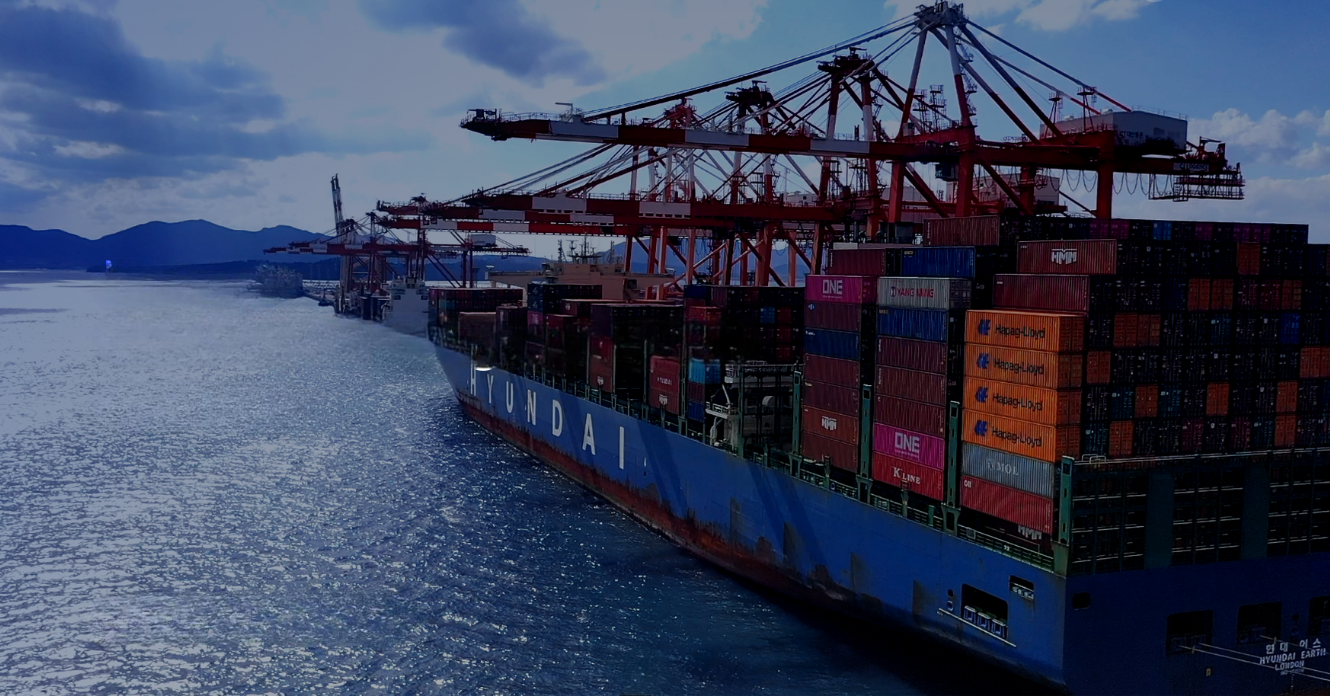
Gwadar Port has handled roughly 200,000 tonnes of transit breakbulk cargo over the past three months, Yu Bo, chairman of China Overseas Ports Holding Company (Pvt.) Ltd. (COPHC), said at the Pakistan Logistics & Shipping Summit 2026. The volume marks a significant operational shift for the Pakistani deepwater facility as regional shippers seek alternatives to the Strait of Hormuz, which has faced severe maritime disruption since early 2026.
The cargo surge follows the activation of six overland transit routes under the Transit of Goods Through Pakistan Order 2026, issued by Pakistan’s Ministry of Commerce on April 25, 2026. The order formalised third country cargo movement through Pakistani territory to Iran and onward to landlocked Central Asian states, converting Gwadar’s strategic location on the Arabian Sea into a functioning trade bypass.
Operational corridor opens
The most significant of the new routes is the Gwadar-Gabd corridor, an 87 kilometre overland link connecting the port to the Pakistan-Iran border. Transit time on this corridor runs approximately two to three hours, compared with 16 to 18 hours via the older Karachi-Taftan route. The shorter leg gives Gwadar a geographic advantage for Iran bound traffic that can discharge at either Pakistani gateway.
Yu Bo noted that global trade and supply chains are undergoing profound changes. Amid shifting Middle East geopolitics and growing shipping safety concerns in the Strait of Hormuz, Gwadar Port, strategically located adjacent to the waterway, has seen its value keep climbing. He added that in the first half of 2026, with support from the Ministry of Maritime Affairs and the Gwadar Port Authority, COPHC rolled out a package of trade incentives and facilitation measures, achieving solid operational progress at the port.
Commercial and strategic impact
The volume composition has shifted from the Chinese transit traffic that the China Pakistan Economic Corridor (CPEC) was originally designed to carry, toward Iran bound containers diverted from Hormuz disruption. Analysts estimate transit time reductions of up to 87% on the Gwadar Gabd corridor against alternative routes, with cost savings of 45% to 55%. The Gwadar Port Authority projects annual revenue of US$24 million to US$32 million from direct logistics services, warehousing, trucking and port handling.
For cargo owners, the corridor turns a previously impossible delivery into a viable overland leg from a Pakistani port. For Pakistan, the corridor monetises the geopolitical disruption affecting its neighbours. The port processed approximately 11,000 containers in April 2026 alone, more than the roughly 8,300 the port handled in all of 2025, according to regional logistics data.
Regulatory and risk factors
The transit framework operates under stringent customs monitoring governed by Pakistan’s Customs Act of 1969. Traders must submit bank guarantees or insurance bonds equal to total import duties and taxes, a mechanism designed to prevent cargo diversion into local markets and to eliminate smuggling incentives.
However, the corridor faces a sanctions risk layer. Pakistan Iran trade has been constrained by US secondary sanctions on Iran for over a decade, and the new transit corridor operates in a legal grey zone for third country cargo that the United States has not yet publicly addressed. Cargo owners routing through Gwadar to Iran are betting that the US will not impose sanctions on transit traffic that does not involve direct trade with Iran. The outcome depends on US Treasury and Department of State guidance over the next twelve months.
Infrastructure limits remain
Gwadar can physically receive vessels up to Panamax class, with a draft of approximately 12 metres and capacity of around 5,000 TEU. Neopanamax and Ultra Large Container Vessels (ULCV) cannot call at the port. The port’s volume ceiling sits at the smaller vessel range, which limits how much of the broader Asia Europe and Asia Middle East trade can practically reroute through the facility. The April surge is observable in the volume data, but the cap on long run growth is fixed by berth depth and crane capacity that would require capital investment to expand.
Whether Gwadar holds elevated monthly volumes through the second half of 2026 depends on the durability of the Hormuz disruption, the US sanctions response, and the speed at which Iran rebuilds direct maritime access. Each of those variables remains open.