India’s Nhava Sheva Port Gate Crisis Exposes Supply Chain Flaws
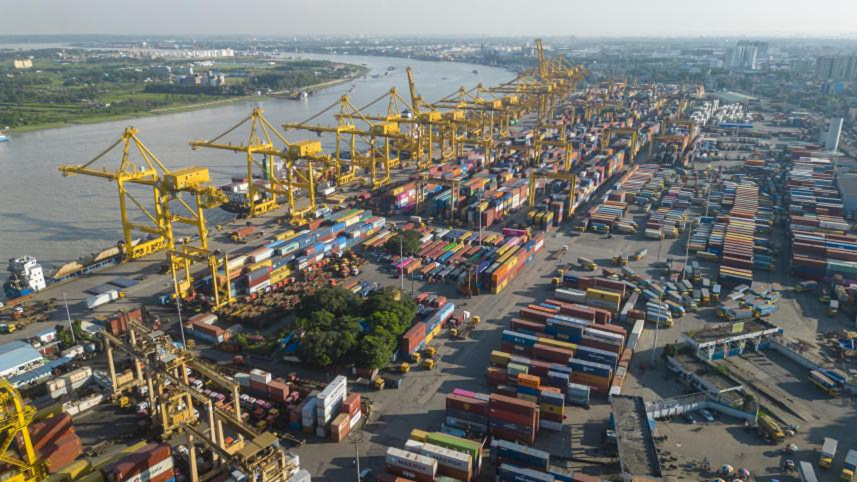
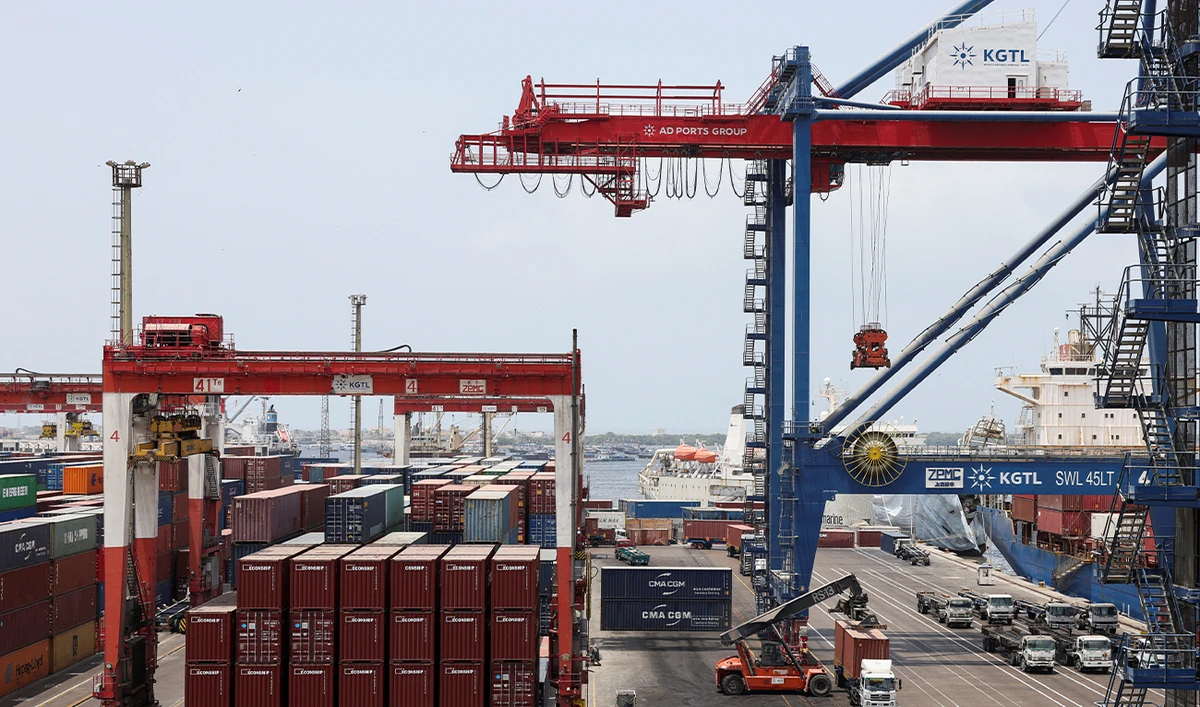
The bottleneck at Nhava Sheva in September 2026 wasn’t just a line of trucks—it was a full-scale stress test for India’s supply chain. When Middle East tensions rerouted vessels to Jawaharlal Nehru Port Trust, the terminal’s intake jumped overnight. Add a truck shortage, and the FIFO principle collapsed. Container dwell times stretched, gate-in timings lagged, and sequenced boxes sat idle in the yard. Ships sailed without their cargo, export costs spiked, and small businesses felt the squeeze first. A gate isn’t just a gate; it’s the nerve centre of port operations, and when it fails, the ripple effects are immediate.
Yet congestion rarely starts at the gate. It migrates. A terminal’s capacity, yard management, road infrastructure, customs workflows—each can quietly stall the flow until the pressure bursts outward. If the yard isn’t tracking containers by FIFO logic, if automation is missing, if customs clearance remains manual, the backlog becomes visible at the gate even when the real fault lies deeper inside the terminal. Combine fragmented systems, siloed data, and no real-time coordination, and you get a perfect storm: trucks queuing, vessels missing connections, and businesses paying the price through inflated port charges and delayed deliveries.
For terminal operators, the priority isn’t just managing the queue—it’s pinpointing where the bottleneck is forming. Is it yard space? Truck availability? Customs bottlenecks? Without connected visibility, the warning signs go unnoticed until the damage is done. “A congested port not only affects the land side of operations, but it also hurts the schedule of the vessel and leads to vessel cut-offs,” one industry observer noted. When containers miss their vessel, the domino effect hits inventory, cash flow, and trust across the supply chain.
This is where experienced customs brokers become indispensable. During disruptions, a skilled CHA doesn’t just file paperwork—they act as real-time navigators. “With this information, a customs broker can avoid sending the truck to an already overcrowded and congested gate,” one logistics veteran explained. By anticipating gate status, ETA delays, and truck availability, they help prevent compounded congestion and protect shippers from unnecessary costs.
Visibility is the hidden cost of congestion. When terminal systems aren’t connected—gate, yard, cargo, customs—the operator loses the ability to predict, adapt, and act. Infyz ITOMs offers a practical fix: a Terminal Operating System that stitches together real-time data from across the terminal into a single pane of glass. “It is a connected system which includes gate, yard, cargo and operational information in one place, giving the terminal operator and port management team a broader view which goes beyond what is happening at the gate,” the company states. In a world where geopolitics and weather remain uncontrollable, digital coordination becomes the only lever operators can pull.
The lesson from Nhava Sheva isn’t just about handling disruptions—it’s about building resilience through connected technology. Terminals that invest in automation, shared data platforms, and proactive customs partnerships won’t just survive the next crisis—they’ll minimise its impact before it ever reaches the gate.