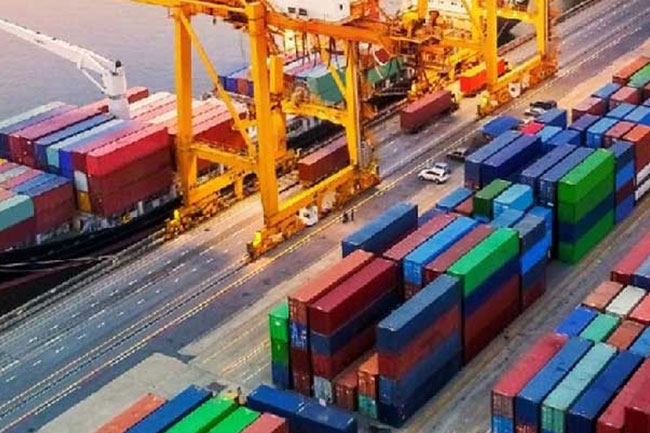
Navigating the Controversy Over Chittagong Port’s Terminal Concessions and Strategic Investments
Growing Tensions Over Chittagong Port’s Terminal Operations
Bangladesh’s bustling Port of Chittagong, a crucial maritime gateway, is currently amid a heated dispute concerning the concession of key container terminals. This debate flares amid changing governance and ambitious efforts to ramp up port efficiency and capacity.
The interim government has embraced a swift approach to attract global operators, aiming to overhaul outdated logistics and relieve chronic congestion. Notably, the New Mooring Terminal has recently been leased to DP World for a 25-year period.
Lease Award Sparks Contention and Legal Challenges
While outsourcing terminal operations to a major international player like DP World aims to unlock substantial performance improvements, the lease decision drew sharp criticism. Detractors highlight the expedited awarding process—conducted without a public tender—as undermining transparency, and the displacement of local operators as problematic.
The issue has escalated to the judiciary, with the Bangladesh High Court delivering a split verdict on the legality of the agreement. The case now awaits arbitration by a larger bench, with outcomes that could potentially halt DP World’s terminal operations if the government’s position is undermined.
Continuing Investment Drive with APM Terminals
Despite the dispute, planned investments in adjacent port facilities proceed unshaken. November saw the government and the Port Authority reach a $550 million deal with APM Terminals to modernize the Laldia Container Terminal.
This venture focuses on redesigning and upgrading capacity by an additional 800,000 TEU (Twenty-foot Equivalent Units), reinforcing Chittagong’s competitive edge in cargo throughput.
Chittagong Port: The Backbone of Bangladesh’s Export Economy
Chittagong port is more than just a shipping hub—it’s the lifeline of Bangladesh’s export economy. With booming textile and garment manufacturing industries, which rival giants like China, efficient port operations are integral to maintaining global supply chain reliability and economic vitality.
Yet, congestion issues have long plagued the port, creating bottlenecks that affect shipment schedules, freight flow, and overall logistics efficiency. Timely resolution and expansion are essential to support Bangladesh’s climb as a global manufacturing and export powerhouse.
Logistics Implications of the Chittagong Dispute
Port concessions are more than political or legal squabbles—they have direct and significant implications for logistics and supply chains. Stability and efficiency at the port affect freight turnaround times, shipment planning, and ultimately, how competitively Bangladesh can serve international markets.
A delay in finalizing terminal operators or disruptions in port functioning can wreak havoc on container dispatch and haulage schedules, causing costly delays and reducing the reliability of cargo shipments globally. In a larger sense, this highlights the necessity for clear, consistent, and transparent governance in port management to facilitate smoother cargo and freight flows.



.png)