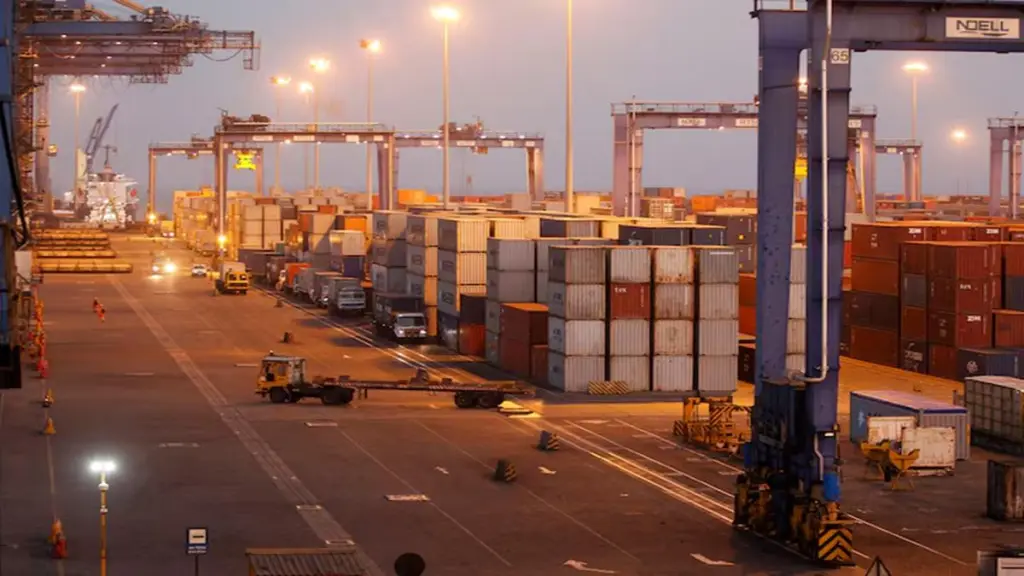
Sri Lanka becomes new transshipment hub for Lamborghinis
Sri Lanka’s Hambantota International Port has become an important transit point for luxury vehicles including Lamborghinis as the Middle East conflict continues to disrupt shipping routes around the Strait of Hormuz.
A senior official from Sri Lanka Customs told the Daily Mirror that vehicles from countries such as Japan, South Korea and Italy are being routed through Sri Lanka before being sent to destinations in the Middle East, due to the ongoing global tensions and the closure of the Strait of Hormuz, previously a vital shipping lane for luxury vehicles headed to Dubai, Qatar, Saudi Arabia and other Middle Eastern ports.
According to official figures, Hambantota Port has already handled record vehicle volumes, with 90,219 vehicles recorded in June alone. Considering the port’s handling volumes, 80% of the goods handled by the port are for transshipment, with vehicle transshipments continuing even during the period when vehicle imports into the country were suspended.
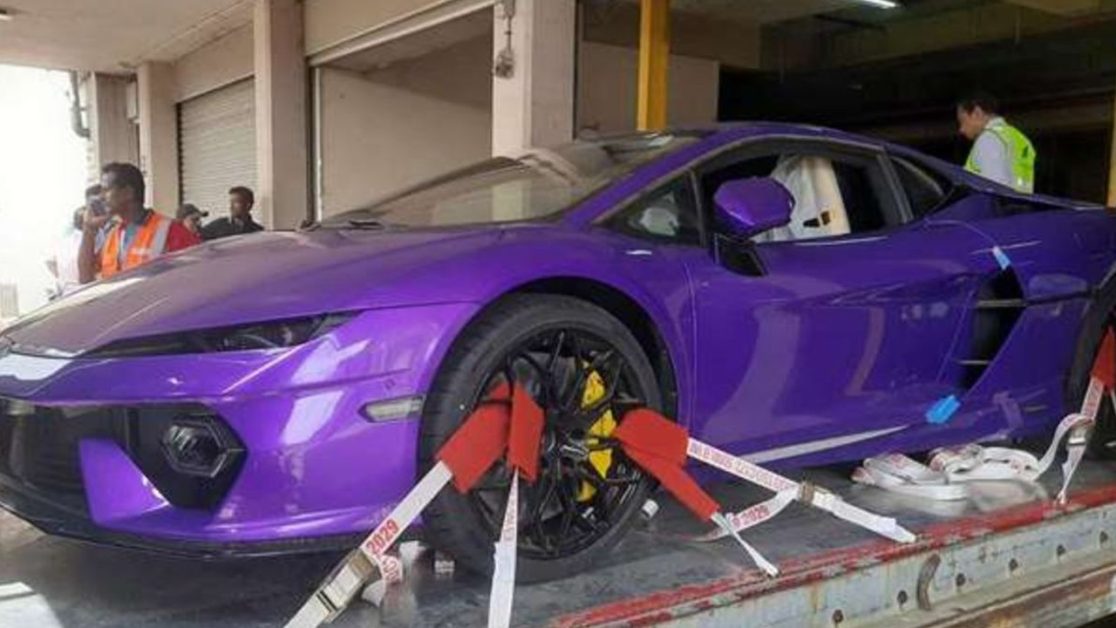
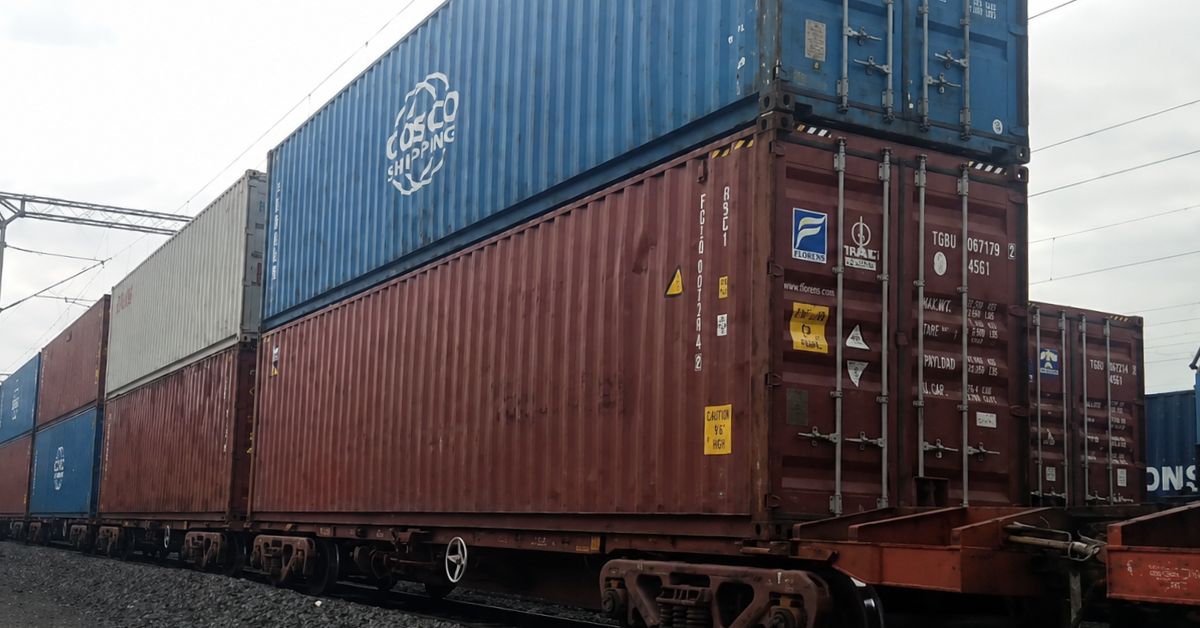
In the latest shipment, 14 Lamborghini vehicles arrived at Hambantota Port. The luxury cars were transferred into seven 40-foot containers and transported to Bandaranaike International Airport in Katunayake, scheduled to be flown to Dubai and Doha on August 21.
As Hambantota becomes an important port for international shipping, more vessels are arriving in Sri Lanka for transshipment, a senior port official said. However, a Customs official explained that the Customs Department does not earn import revenue from these vehicles, as they are only being transshipped, with the port earning only handling and related charges from these operations.
The Lamborghinis are reportedly worth around Rs 100 million to Rs 500 million each, depending on the model. With Hambantota Port now becoming a new route for luxury vehicles to be transshipped into the Middle East, this could bring economic benefits to Sri Lanka by providing an alternative logistics route while traditional shipping routes remain affected by regional tensions.