Sri Lanka eyes comprehensive trade agreement with EU
Colombo, Nov. 5 (Daily Mirror) - Sri Lanka is exploring the possibility of entering into a comprehensive trade agreement with the European Union (EU) to secure long-term access to the European market.
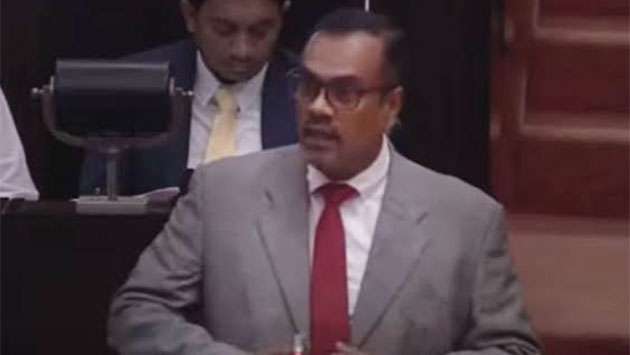
Deputy Minister Anil Jayantha disclosed this in Parliament in response to a question raised by MP Ravi Karunanayake, who sought clarification on the future of Sri Lankan exports to the EU market.
“It is expected to examine and report on possible options for securing long-term and sustainable market access to the EU through a deeper economic arrangement, including a possible comprehensive trade agreement, in the event of Sri Lanka graduating from the GSP+ scheme if it is classified as an upper-middle-income country by the World Bank for three consecutive years. Sri Lanka has recorded upper-middle-income status in 2026,” the Deputy Minister said.
He said Sri Lanka's GSP+ access would continue beyond 2027.
“The EU has adopted a new GSP regulation covering another 10-year cycle, which will come into effect on January 1, 2027. Accordingly, Sri Lankan exporters will continue to enjoy preferential access under the new EU GSP+ framework, subject to submitting a new application and obtaining EU approval before December 31, 2028.
“The Government is working to ensure the continued availability of GSP+ benefits to Sri Lanka under the new framework, with arrangements to reapply for the facility between January 1, 2027 and December 31, 2028,” he added.
The Deputy Minister also said the conclusion of negotiations on the EU-India Free Trade Agreement (FTA) was expected to affect the competitiveness of Sri Lankan exports to the European market, as Indian exporters would gain preferential and duty-free access similar to that currently enjoyed by Sri Lanka under the EU GSP+ scheme.
He said this could affect the level playing field for Sri Lankan exporters competing with Indian exporters in the EU market.
“The EU-India FTA negotiations were concluded on January 27, 2026. However, the agreement has not yet entered into force and remains subject to the completion of the respective internal procedures. Ratification and implementation are expected to follow, with 2027 being the anticipated timeframe.
“Sri Lanka currently benefits from regional cumulation provisions, mainly by sourcing fabrics from India under SAARC cumulation provisions of the EU GSP framework. The availability and scope of such cumulation could be affected following the implementation of the EU-India FTA,” the Deputy Minister said.