The Iran war is influencing carrier-forwarder annual air cargo contract negotiations as shippers contemplate the advantage of spot rates during a turbulent and uncertain market dynamic, according to an April 2 Xeneta report.
The military conflict has only accelerated a shipper trend toward three-month agreements instead of an annual contract, which is shortening market rate validity, per Xeneta.
“We have been recommending postponing tenders during the present uncertainty, because what is the value of making a longer-term commitment now when the whole backdrop can change so quickly?” Chief Airfreight Officer Niall van de Wouw said.
Dive Insight:
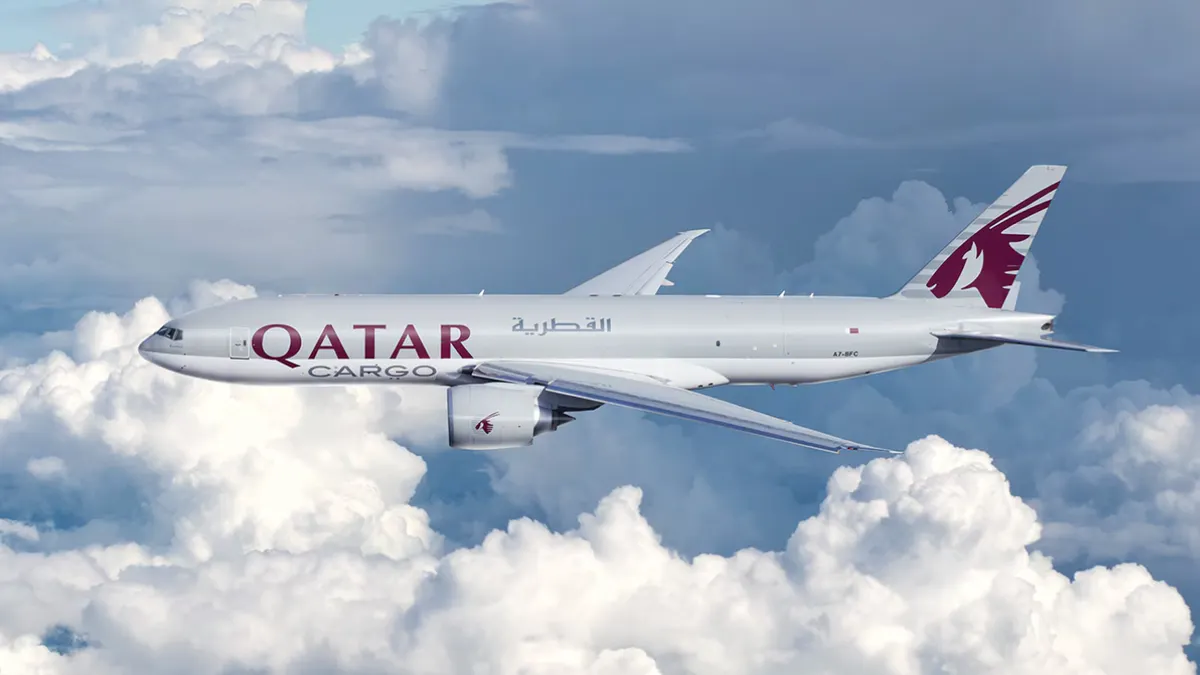
U.S. military strikes against Iran on Feb. 28 have scrambled logistics activity in the Middle East, with air carriers facing service disruptions for cargo transiting through the region. While the start of the year looked promising for the air cargo market, the 2026 outlook has since been muddied.
While the disruption is not pandemic-scale, the ongoing closure of the Strait of Hormuz — a sea passage critical for transiting oil and other commodities — is driving up the cost of oil. The resulting oil shock has since nearly doubled the cost of jet fuel, further squeezing carriers already facing capacity and network pressures, per Xeneta. On March 30, the spot price of U.S. Gulf Coast kerosene-type jet fuel reached $4.24, up from $3.93 the week prior, according to U.S. Energy Information Administration data.
“Will the increase in fuel prices dampen demand for air freight? Not immediately, but if this conflict continues in the longer term, then definitely yes because the world would be facing a much broader economic issue,” van de Wouw said.
Despite a more regionalized impact, cities such as Dubai in the United Arab Emirates and Doha, Qatar, are “strategic midpoints” between the Americas, Asia and Europe, per Xeneta. In turn, the conflict is reshaping cargo flows across tradelanes, including South Asia to the Americas, prompting a spike in prices.