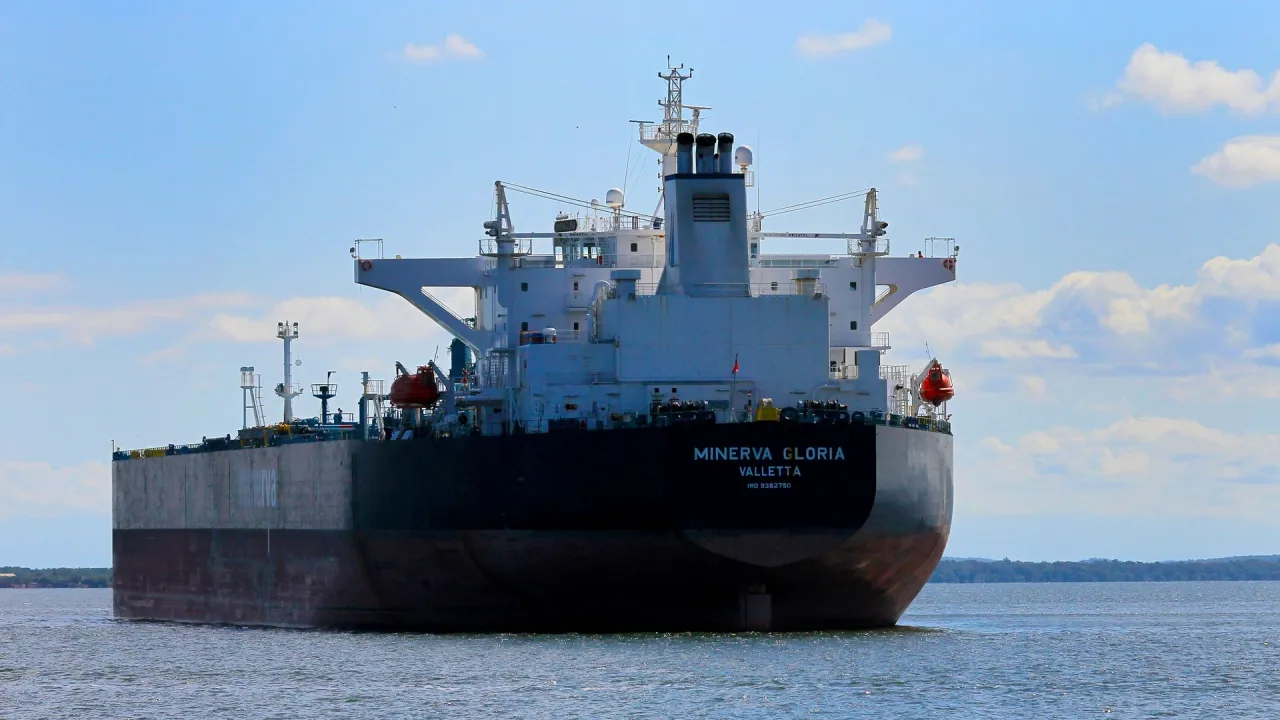
Strait of Hormuz chokehold to keep oil supply tight, prices high, watchdog warns
The ongoing stalemate between the U.S. and Iran over the Strait of Hormuz could keep the global oil supply sluggish through the rest of the year before a potential recovery in 2027, the International Energy Agency warns.
“The continued closure of the Strait of Hormuz disrupts international supply chains and curtails product availability,“ said the IEA, a watchdog group of Western countries and some of their allies.
However, the IEA’s report came at the same time the U.S. Bureau of Labor Statistics reported that energy prices fell in July for the second straight month. The 1.5% decline followed four months of increases.
Overall, energy prices are up nearly 11% since the war in Iran began in late February.
The July decrease in energy prices contributed to a slight drop in the Consumer Price Index. The annual inflation rate was 3.4%, down from 3.5% a month earlier.
Global oil numbers
Meanwhile, new estimates indicate that the global supply of oil will fall by 4.3 million barrels a day for 2026 .
The IEA said supplies actually rose in July. But the overall supply remained 6.3 million barrels a day below last year’s levels.
Higher prices are leading to a contraction in the market, including less global consumption.
The Strait of Hormuz, through which 20% of the global oil supply normally passes, remains a chokepoint — despite a claim this week by President Donald Trump.
As Straight Arrow reported, Trump insisted on Truth Social Wednesday: ”The U.S.A. has total control over the Strait of Hormuz. I THINK WE WILL KEEP IT! Our Naval Blockade is being called, by everyone, ‘A WALL OF STEEL,’ and there is nothing Iran can do about it.”
However, The Wall Street Journal, citing ship tracking data, indicated only 14 ships crossed the Strait on Tuesday, compared to an average of 130 per day before the war started in late February. Many operators are fearful of getting attacked should they try to travel through the key waterway.
“Iran is using the fear factor of real physical risk to retain a measure of control,” Rachel Ziemba, an adjunct senior fellow at the Center for a New American Security, told the Journal.
Oil prices continued to hover around the $90 per barrel mark with Brent Crude checking in early Thursday at $87 a barrel and West Texas Intermediate at $81.
Meanwhile the trickle-down effect continues as Americans pay considerably more at the pump than they did before the war started.
AAA listed the national average for a gallon of regular unleaded on Thursday at $4.07, compared to $3.15 a year ago.
The ongoing high prices at the pump are leading to economic concerns for Americans.
A late July survey by Pew Research found that 56% of respondents were “very concerned” about gas prices, compared to 34% in January.