U.S. Reaches Reciprocal Trade Agreement with IndonesiaAgreement with Indonesia
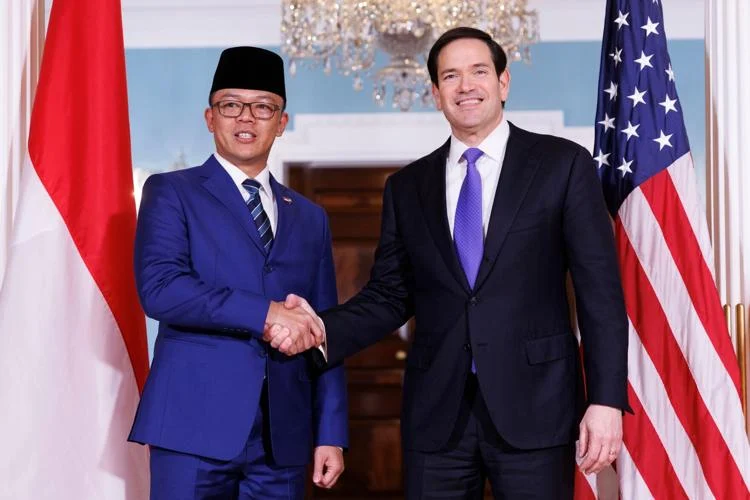
The Trump administration on Thursday evening, Feb. 19, announced it had reached a reciprocal trade agreement with Indonesia. International Trade Today (ITT) reported that the U.S. will maintain a 19% reciprocal tariff on Indonesian products, with the exception of a tariff rate quota for Indonesian garments and textiles imported into the U.S. free of the reciprocal tariff.
Some of other key terms of the U.S.-Indonesia Agreement on Reciprocal Trade include:
Indonesia will eliminate tariff barriers on over 99% of U.S. products exported to Indonesia across all sectors, including for agricultural products, health products, seafood, information and communications technology, automotive products, and chemicals.
Indonesia will address a range of non-tariff barriers, such as exempting U.S. companies and originating goods from local content requirements, accepting U.S. federal motor vehicle safety and emission standards, accepting U.S. Food and Drug Administration (FDA) standards for medical devices and pharmaceuticals, removing burdensome certification and labeling requirements, eliminating pre-shipment requirements, and taking steps to resolve many long-standing intellectual property issues.
Indonesia will address and prevent barriers to U.S. agricultural products being sold in the Indonesian market, including by exempting food and agricultural products from all of Indonesia’s import licensing regimes and ensuring transparency and fairness with respect to geographical indications, including meats and cheeses, and more.
Indonesia has committed to eliminate barriers for digital trade, including eliminating existing HTS tariff lines on “intangible products”; supporting a permanent moratorium on customs duties on electronic transmissions at the World Trade Organization immediately and without conditions; and ensuring a level playing field for U.S. electronic payment service companies.
Indonesia has committed to join the Global Forum on Steel Excess Capacity and take actions to address global excess capacity in the steel sector and its impacts.