Container Ship Fires Now Occur Every 17 Days as Misdeclared Cargo Threat Intensifies: Allianz
Container ship fires are occurring at an alarming rate of one incident every 17 days, according to the latest Allianz Safety & Shipping Review 2026 , highlighting the growing safety threat posed by misdeclared and undeclared dangerous goods moving through global supply chains. The report identifies improperly declared cargo as one of the leading causes of container ship fires, raising concerns across the maritime industry as shipping lines continue to grapple with the risks associated with hazardous materials, particularly lithium-ion batteries.
According to the findings, a fire is now recorded on a container vessel approximately every two and a half weeks. The report also points to increasing fire incidents on vehicle carriers, where fires are occurring every 37 days, underscoring broader concerns around the transportation of vehicles and battery-powered equipment.
Joe Kramek, President and CEO of the World Shipping Council (WSC), said the industry continues to face a preventable but persistent challenge.
According to him, “Misdeclared and undeclared dangerous goods are a known and preventable threat to seafarers, ships, cargo and the marine environment. This is not a paperwork issue. It is a life-and-death safety issue.”
Kramek noted that while most cargo owners comply with safety regulations, a small number of shippers continue to conceal or incorrectly declare hazardous goods, creating risks throughout the logistics chain.
“The vast majority of shippers do the right thing. But a small group of irresponsible actors are cutting corners, hiding risk and creating danger for everyone in the supply chain. They are also undermining diligent shippers who follow the rules,” he noted.
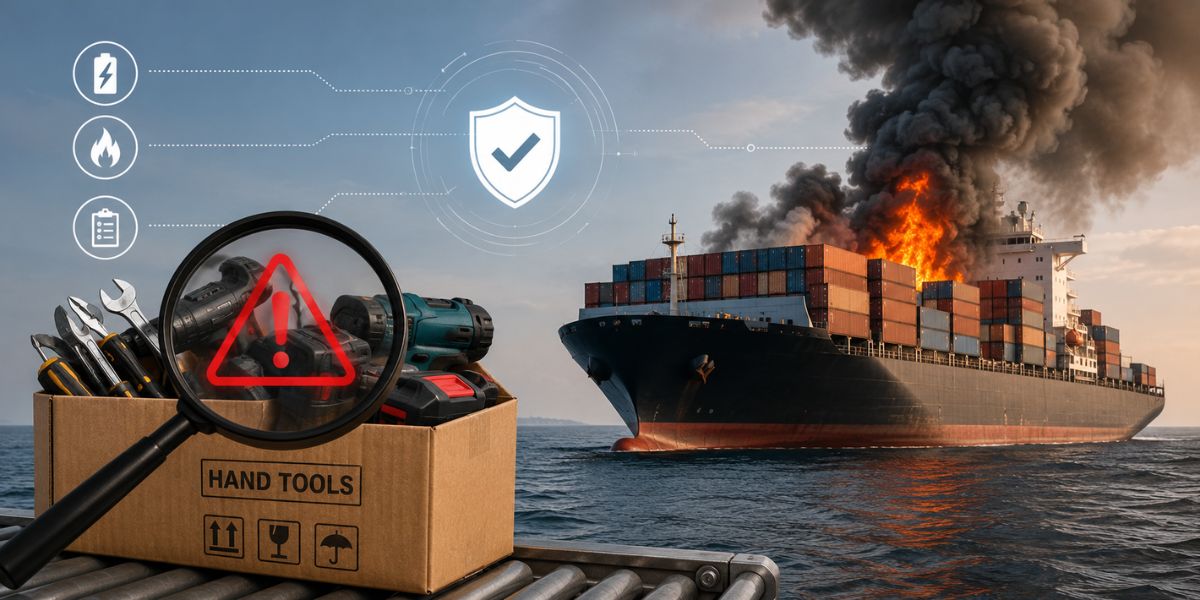
To tackle the issue, the World Shipping Council has expanded its Cargo Safety Program, an artificial intelligence-enabled cargo screening system designed to identify potentially dangerous shipments before loading.
The programme has already prevented thousands of high-risk shipments from entering maritime transport networks. In one example cited by the WSC, a consignment declared as “hand tools” was flagged during screening and later identified as lithium-ion battery-powered equipment. Had it been loaded without appropriate handling procedures, the shipment could have posed a significant fire hazard.
The Allianz report also draws attention to fire risks aboard vehicle carriers, a segment increasingly handling electric vehicles and battery-powered cargo. In response, the WSC has been working through the International Maritime Organization (IMO) to support stronger regulations aimed at improving fire prevention and emergency response measures on vehicle carriers, including requirements related to the transport of electric vehicles.
While industry-led initiatives and technology are helping improve cargo screening, shipping stakeholders argue that enforcement remains a critical missing link.