Hambantota Port Eyes Container Growth as Shipping Returns to Suez Canal
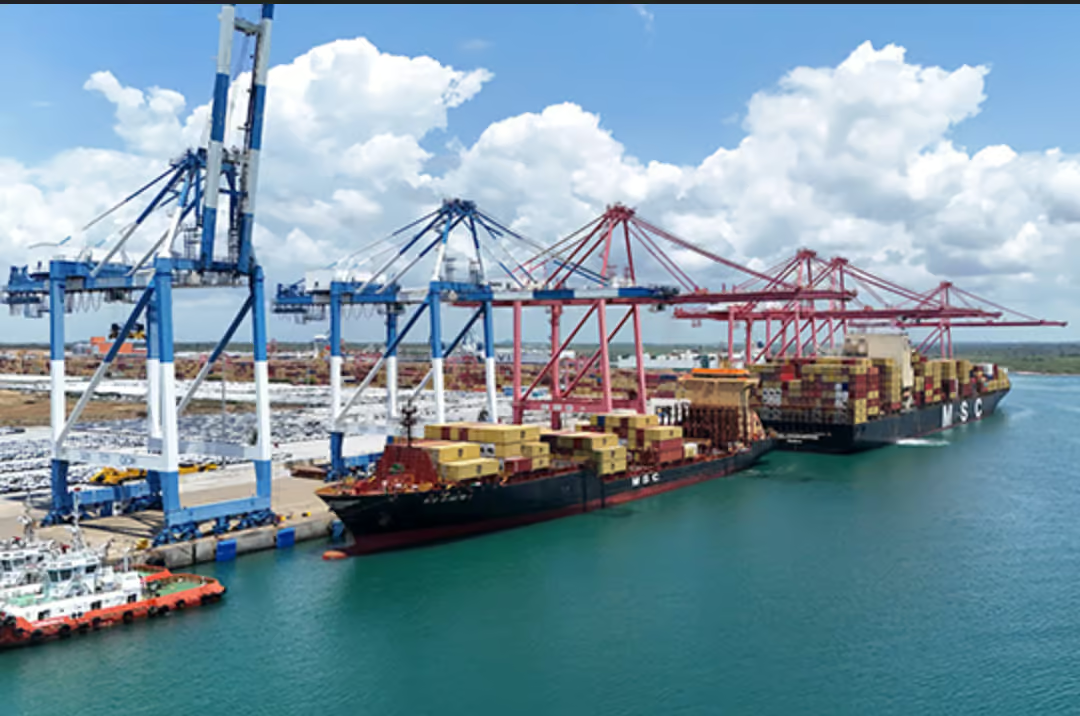
HAMBANTOTA, Sri Lanka: Hambantota International Port Group (HIPG) expects the gradual return of container shipping to the Red Sea and Suez Canal to create new commercial opportunities as the Sri Lankan port prepares to expand its annual container handling capacity to 2 million TEUs by the first quarter of 2027.
The expansion comes as shipping lines reassess routes between Asia and Europe following prolonged disruption in the Red Sea. A return to the Suez Canal would bring more vessels closer to Hambantota, potentially increasing demand for container transhipment, bunkering and other marine services.
Maritime consultancy Linerlytica forecasts a full scale return of container shipping to the Suez route by the first quarter of 2027, although the timing remains dependent on regional security conditions and individual carriers’ operational decisions.
Red Sea Disruption Accelerates Hambantota’s Container Expansion
The Red Sea shipping crisis initially created an unexpected opportunity for Hambantota as congestion at nearby Colombo Port increased demand for alternative container handling capacity.
HIPG began accommodating overflow cargo in April 2024, using existing infrastructure before committing to a larger container development programme.
Bindu Ranasinghe, HIPG’s General Manager of Commercial and Marketing, said the disruption helped establish the commercial case for expanding the port’s container operations.
“The Red Sea disruption advanced our container project. Congestion in Colombo Port created a requirement for additional capacity, and we began accommodating overflow cargo with the resources available to us in April 2024,” Ranasinghe said.
Hambantota launched its inaugural MSC container transhipment service on April 9, 2024. HIPG has subsequently committed $149 million to new container handling equipment to support its expansion.
The investment is intended to position Hambantota as an additional container handling option for shipping lines operating across the Indian Ocean.
Suez Return Could Strengthen Port’s Geographic Advantage
Hambantota lies approximately 10 nautical miles from the established East West shipping corridor connecting Asia with Europe through the Suez Canal.
That location becomes particularly relevant when container carriers return from longer voyages around the Cape of Good Hope.
During the disruption, vessels diverted around southern Africa operated farther from Sri Lanka’s southern coast. Restoring services through Suez would bring more passing traffic within reach of Hambantota’s facilities.
“When vessels use the established East West route through Suez, they pass much closer to Hambantota. We have used the period of disruption to expand our capabilities, and a sustained return to that route would give us a stronger opportunity to attract business,” Ranasinghe said.
HIPG estimates that approximately 75% of East West tonnage is currently routing around Africa.
A sustained reversal of those diversions could increase the number of vessels considering Hambantota for transhipment and marine services.
However, additional passing traffic does not automatically translate into port calls. Shipping lines must also consider vessel schedules, terminal productivity, feeder connections and the commercial advantages of using alternative hubs.
Bunkering and Marine Services Offer Additional Revenue Opportunities
HIPG expects a recovery in Suez traffic to create opportunities beyond container handling.
An increase in vessels using the established corridor could support demand for bunkering, ship supplies and other services available at Hambantota.
These activities would allow the port to diversify its revenue sources while developing its container business.
The opportunity is closely linked to the operational requirements of carriers returning to established Asia Europe service rotations.
Shipping lines evaluating potential calls would need to balance fuel requirements, voyage schedules, service availability and overall operating costs.
For Hambantota, the challenge will be converting its proximity to the shipping corridor into commercially attractive port calls.
Gateway Cargo Development Targets Sri Lankan Importers and Exporters
Alongside transhipment, HIPG plans to develop gateway container operations that would allow Sri Lankan businesses to move imports and exports directly through Hambantota.
The strategy would reduce reliance on transhipment cargo alone and establish a domestic customer base.
Industrial activity within the port’s industrial park, surrounding Board of Investment zones and proposed expansion areas could generate additional cargo volumes.
A planned container inspection centre is expected to support gateway operations, with initial benefits anticipated from the first quarter of 2027.
“To attract more shipping lines and services, we also need gateway cargo,” Ranasinghe said.
“Industrial development within and around the port, together with the inspection facilities we are establishing, will help create the conditions for that business to grow.”
Gateway cargo would also provide an additional reason for carriers to include Hambantota in their regional service networks.
Hormuz Disruption Creates Separate Transhipment Opportunities
HIPG is also monitoring developments around the Strait of Hormuz, where restrictions affecting access to Gulf ports have encouraged shipping lines to establish alternative cargo arrangements.
Hambantota has handled transhipment cargo transferred to feeder vessels serving accessible regional ports.
These arrangements differ from the opportunities associated with a return to Suez because they respond to disruptions affecting Gulf access rather than the main Asia Europe shipping corridor.
Improved access through Hormuz could eventually restore some previous cargo flows, although existing commercial agreements and feeder networks may delay changes.
“Shipping lines and their customers have established alternative arrangements, and those networks will not necessarily change immediately,” Ranasinghe said.
He added that carriers would continue assessing security conditions, insurance requirements and commercial commitments when deciding whether to retain alternative connections developed during the disruption.