Japan’s US$6 billion port plan aims to revive Bangladesh’s bruised economy
Japan’s push to expand industrial and port cooperation with Bangladesh could transform the South Asian country into a regional trade gateway, analysts say, connecting markets in Southeast Asia and the wider Indo-Pacific while diversifying Dhaka’s economic ties.
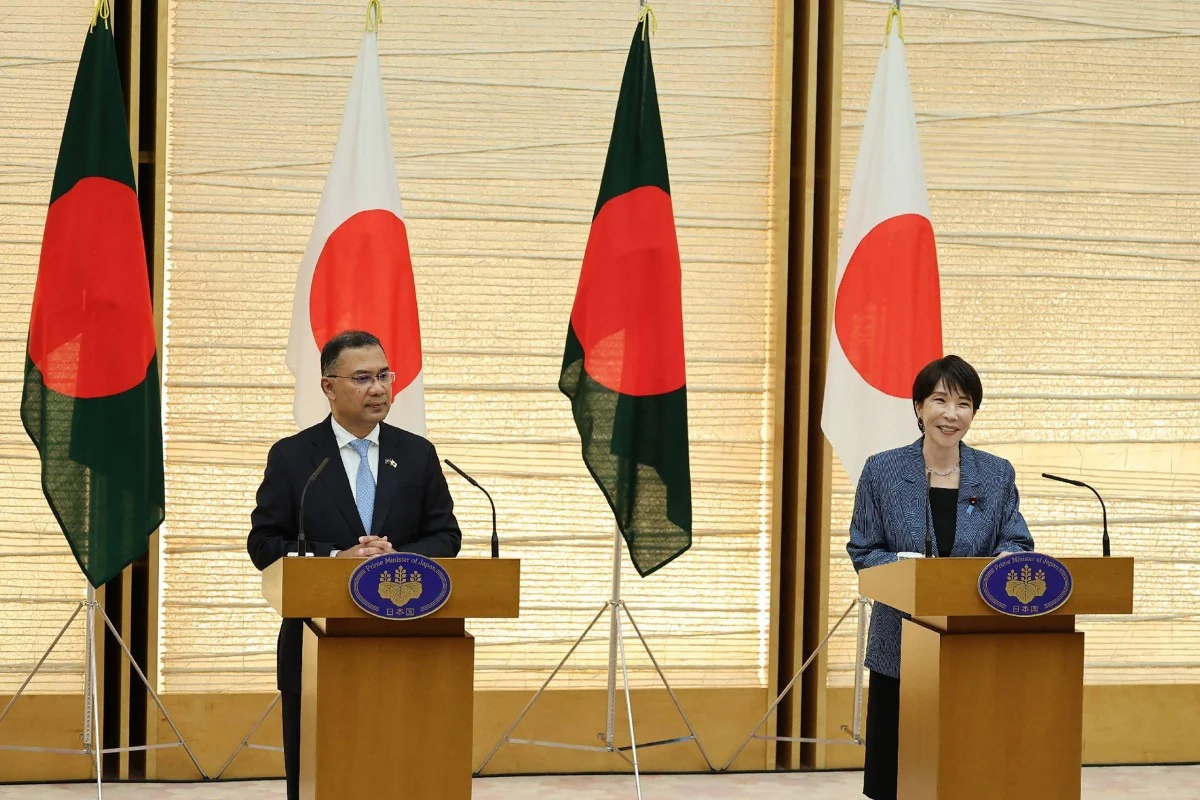
The plan was announced during Bangladeshi Prime Minister Tarique Rahman’s official visit to Japan this week. Rahman welcomed Tokyo’s pledge of US$6 billion in investment over the next five years, which could help revive an economy hit by energy shortages and reduce its heavy reliance on garment exports.
“Our ambition is clear: to turn this friendship between our two nations into a powerful engine of economic growth, opportunity and shared prosperity,” Rahman said on Tuesday at a joint press conference in Tokyo with Japanese Prime Minister Sanae Takaichi.
Rahman is on a four-day official visit to Japan from October 26 to 29.
Analysts noted that Dhaka’s push for Japanese investment aligned with the goals of its new government, elected earlier this year, to gain greater strategic autonomy by looking beyond its traditional reliance on China and India.
“More importantly, they want to diversify and seek investments,” said Sreeradha Datta, a professor of international affairs at O.P. Jindal Global University in India. “They have not been able to diversify from [reliance on] the ready-made garments sector.”
“They are probably looking at Japan as a trustworthy investment partner,” she added.
Bangladesh is struggling to revive its pre-pandemic growth, as an energy crisis sparked by Middle East supply disruptions has exacerbated its industrial woes. The International Monetary Fund has projected the country’s gross domestic product growth at 3.2 per cent for the 2026-27 financial year, down from an earlier forecast of 4.3 per cent made in April.
A joint statement by Takaichi and Rahman said the two countries would upgrade their 2014 Bay of Bengal Industrial Growth Belt Initiative, known as Big-B, into a broader “Big-B for Shared Prosperity” framework aimed at safeguarding their economic autonomy and addressing geopolitical risks.
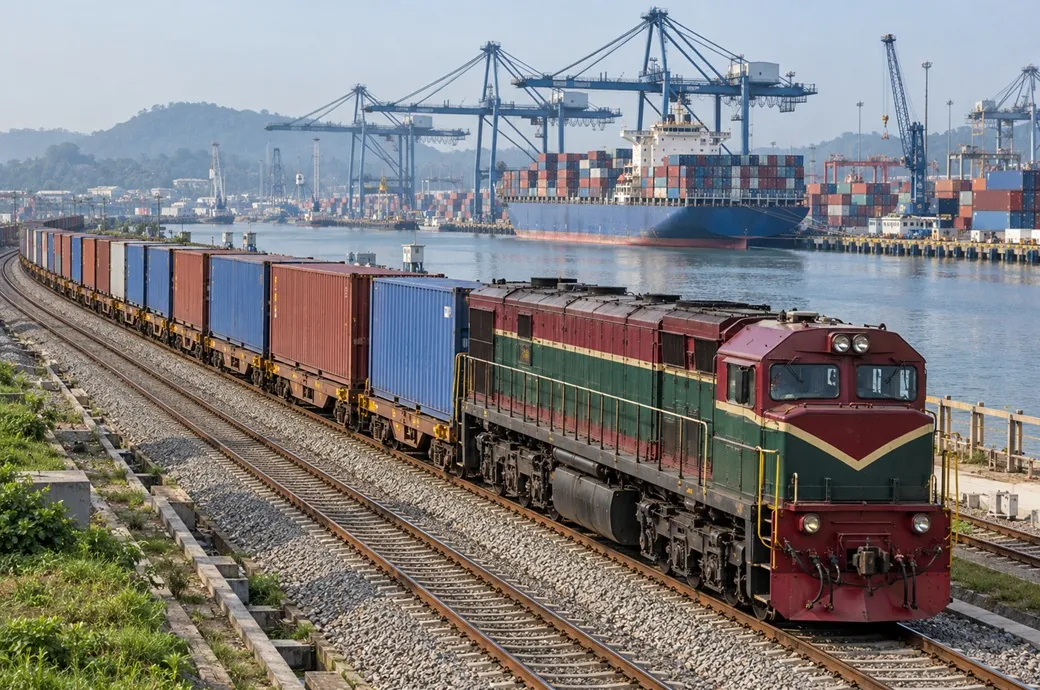
The initiative centres on Bangladesh’s Matarbari deep-sea port. Developed with heavy investment from Japan, the port’s capacity to handle large commercial ships is expected to boost Dhaka’s export logistics while offering maritime access to neighbouring landlocked markets, including India’s northeastern states via Tripura.
“India is more than happy that Bangladesh expands its partnership with Japan. India believes Japan will not do anything in the region that is not in India’s interest,” Datta said, adding that New Delhi is unlikely to view Dhaka’s push for strategic autonomy as a threat.
“Rahman’s visit to Japan is probably a bigger message to China than India,” she added.