Sri Lankan exporters to see tariff relief amid volatile US trade environment
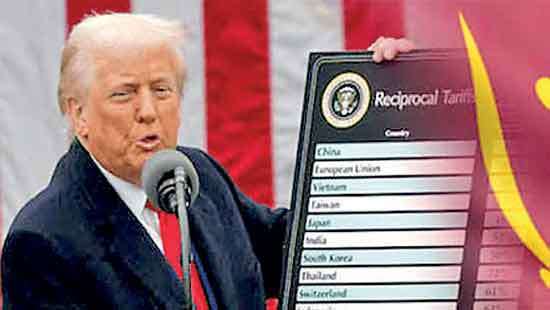
The Sri Lankan exporters could soon experience a measure of relief following a recent US Supreme Court ruling that struck down the reciprocal tariffs imposed under the International Emergency Economic Powers Act.
Although the US administration swiftly invoked Section 122 of the Trade Act of 1974, to maintain the elevated duties, the transition is expected to lower Sri Lanka’s overall effective tariff rate in the US market from roughly 31 percent to 21.6 percent.
According to a new report authored by Dr. Asanka Wijesinghe, a Research Fellow at the Institute of Policy Studies of Sri Lanka (IPS), this shift represents a crucial opening for domestic industries that have struggled under the weight of the severe trade restrictions implemented over the past year.
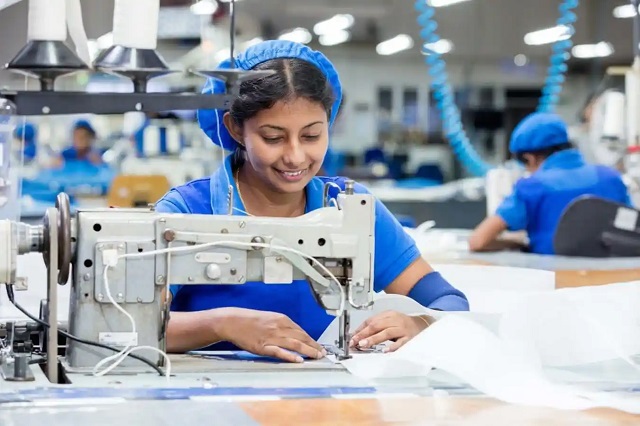
The pivotal apparel sector stands to be a primary beneficiary of this changing trade environment.
Dr. Wijesinghe highlights in the IPS ‘Talking Economics’ analysis that under the previous regime, the effective tariff rate on wearing apparel had surged to 37.4 percent by end-2025. With the implementation of Section 122, the sector is anticipated to see nearly a 10-point reduction in tariffs, narrowing the competitive gap between Sri Lanka and rival exporters such as Kenya.
While the new Section 122 tariffs, currently set at 10 percent on top of the base rates, are valid for only 150 days and could potentially rise to 15 percent, the immediate reduction offers crucial breathing room for the local garment manufacturers seeking to retain their footing in the lucrative US market.
Beyond the apparel industry, a broader range of Sri Lankan products will now qualify for crucial tariff exemptions under the new regime.
The IPS report indicates that 162 product categories will be exempt from the new Section 122 tariff, compared to just 84 under the previous system. This expansion grants additional tariff-free access for US $ 65.1 million or approximately Rs.19.5 billion worth of exports.
Around 80 new product categories, including articles of vulcanised rubber, rubber bands, transformers and engine testing equipment, will enjoy zero additional tariffs, directly boosting the margins of light engineering and rubber product exporters.
Despite these immediate gains, navigating the volatile US trade policy remains a complex challenge for the domestic export sector. While the competing nations have previously pursued framework agreements with the US to secure concessions, Dr. Wijesinghe points out that the current exemption structure covers almost all the benefits such agreements would typically offer.
The analysis notes that a reciprocal agreement might yield zero-tariff access for only a limited number of additional products such as precious stones and activated carbon.
Consequently, while the Supreme Court decision brings undeniable short-term relief, the industry leaders and policymakers will need to carefully assess the costs and benefits of any future bilateral trade frameworks, to ensure sustainable growth for Sri Lankan exports.
The stakes for navigating these trade agreements remain remarkably high, given the sheer volume of bilateral commerce. In 2025, the United States retained its position as Sri Lanka’s largest single export destination, accounting for approximately 23 percent of the island’s total merchandise exports.
Sri Lanka exported over US $ 3.2 billion worth of goods to the US market last year.
The direction of trade remains heavily tilted in Sri Lanka’s favour, with the country maintaining a massive trade surplus of over US $ 2.7 billion against the US, underscoring the critical importance of preserving favourable tariff conditions to sustain the domestic economy’s upward momentum.