China Port Delays Push Stranded Container Capacity Above Covid Peak
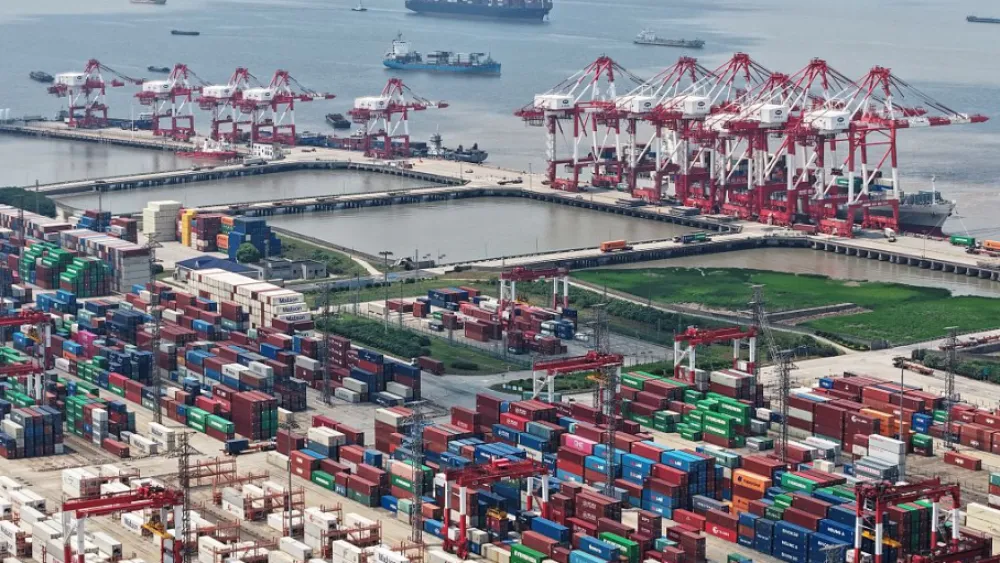
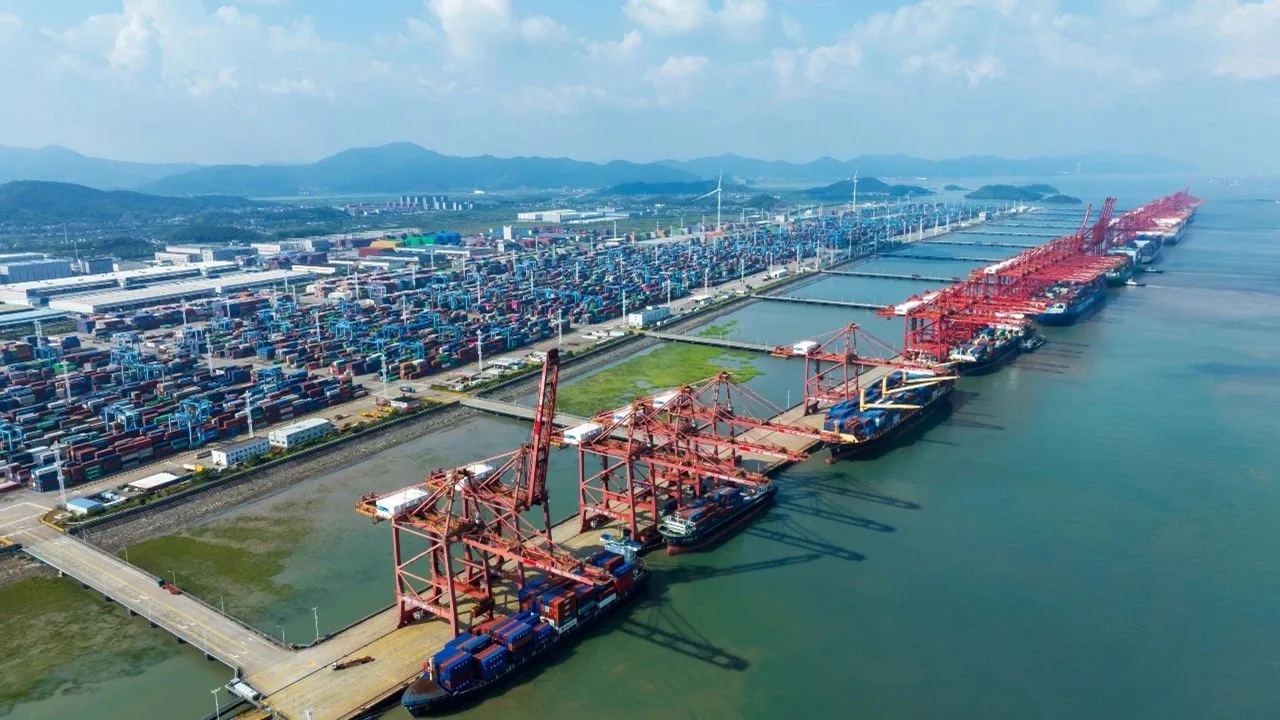
Container capacity stranded by congestion at Shanghai and Ningbo has now climbed above levels seen at the peak of the pandemic, according to WWD's Sourcing Journal. Carriers including Maersk and Hapag-Lloyd have already rerouted or cancelled hundreds of thousands of TEUs of capacity as vessel queues at China's largest ports lengthen, disrupting schedules across the industry that moves the bulk of the world's finished goods and raw materials.
For fashion and luxury supply chains, port congestion of this scale is rarely a short-term nuisance. It compresses the window between production and delivery, forces brands to choose between costly air freight and late arrivals, and adds pressure to inventory planning ahead of the crucial autumn and holiday selling seasons. Luxury houses with tightly scheduled runway-to-retail calendars, and mass-market retailers stocking for peak demand, are both exposed, though luxury brands typically have more pricing power to absorb premium freight costs.
The congestion also lands atop an already strained logistics environment shaped by Red Sea rerouting, geopolitical shipping risk and rising insurance costs, meaning the industry has less slack to absorb a fresh shock. Analysts have previously warned that repeated disruptions of this kind push companies to diversify sourcing further from China, a shift already under way but one that congestion of this scale could accelerate.
What to watch: whether congestion clears before the holiday shipping window, how many brands opt for costly air freight to protect delivery dates, and whether the disruption adds momentum to nearshoring and sourcing diversification plans already in motion across the industry.