The trade deficit in fiscal 2024-25 stood at $20 billion, down from $22 billion in fiscal 2023-24, according to Bangladesh Bank.
A trade deficit is an economic condition where a country imports more goods and services than it exports.
Spending on foreign oil and gas accounts for nearly $0.60 of every dollar in the country’s trade deficit, said the report titled “The Electric Fast-Track for Emerging Markets”.
The report describes such spending as a persistent economic burden because it represents a recurring outflow of foreign currency rather than an investment that generates domestic economic value.
Ember prepared the analysis in partnership with the Climate Vulnerable Forum (CVF), of which Bangladesh is a founding member.
Only 10 out of 74 member countries of the CVF produce enough fuel to meet their own needs. The rest, including Bangladesh, are net importers.
The report identified Bangladesh as one of the most burdened economies where fossil fuel import dependence accounts for the largest share of the trade gap.
Only Morocco at 79 percent and Pakistan at 67 percent rank above Bangladesh.
Over the past decade, Bangladesh’s demand for electricity, transport fuel, and industrial energy has risen sharply alongside economic growth.
At the same time, declining production from domestic gas fields has forced the country to increasingly rely on imports of crude oil, refined petroleum products, LNG, and coal.
This growing reliance on imported fuel has effectively turned energy imports into what the report calls a “structural tax” on the economy.
Bangladesh currently spends around $12 billion annually on energy imports, including oil, LNG and coal, making fuel purchases one of the largest sources of foreign currency outflow for the economy.
Currently, about 30 percent of Bangladesh’s gas demand is met through imported LNG, making it one of the fastest-growing components of the country’s energy import bill.
Heavy reliance on imported energy also leaves countries vulnerable to external disruptions, the report said, adding that geopolitical tensions in the Middle East have once again highlighted these risks. The cost of these imports has risen sharply as a result.
In a prolonged conflict, with oil averaging $100 per barrel through 2026, the CVF nations’ collective oil import bill could rise to $158 billion -- more than $30 billion higher than in 2024, the report said.
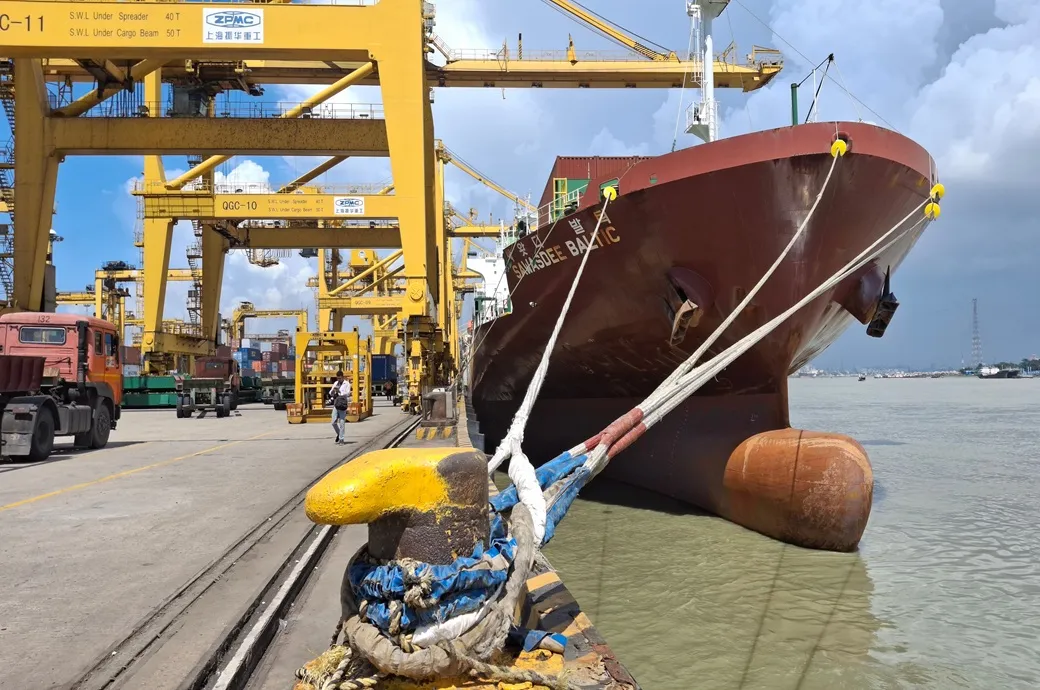
Earlier this year, Bangladesh had to purchase spot LNG cargoes at more than double the usual price, with shipments costing around Tk 1,300 crore compared with roughly Tk 500 crore previously, according to a top official at Petrobangla.
Spot LNG prices also climbed above $20 per MMBtu, compared with roughly $9–10 per MMBtu under long-term contracts, significantly raising the country’s import bill, he said.
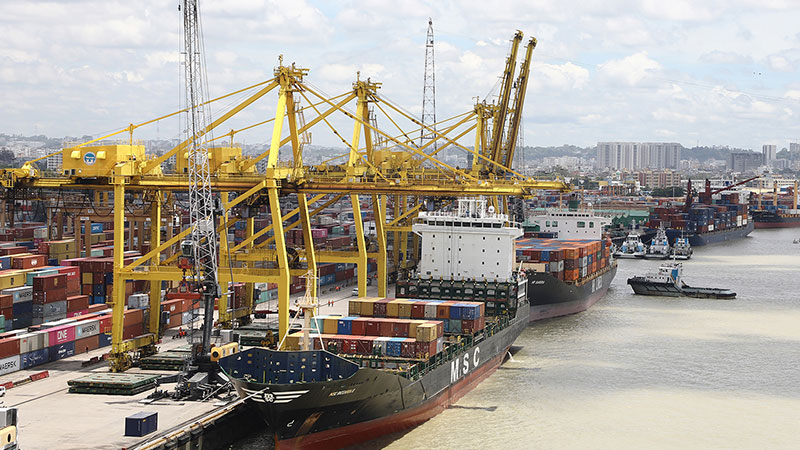
Bangladesh imported 109 LNG cargoes in 2025 at a cost of about $3.88 billion, up from 86 cargoes costing roughly $3.02 billion in 2024, reflecting both rising demand and higher international prices.
The country also imports large volumes of petroleum fuels such as diesel and furnace oil for power generation, transport and industry. The cost of these imports has also risen sharply, affecting both public and private sector suppliers.
A sharp increase in global prices of liquefied petroleum gas (LPG) recently forced the Bangladesh Energy Regulatory Commission to raise the retail price by about 28 percent.
Economists say persistent trade deficits can create multiple economic challenges.
“In the last decade and a half, Bangladesh ramped up power generation capacity largely relying on fossil fuels, which has exposed the country to volatile international energy markets and increased the subsidy burden,” said Shafiqul Alam, lead analyst for Bangladesh energy at the Institute for Energy Economics and Financial Analysis.
Policymakers should recognise that in an era of frequent geopolitical crises, Bangladesh needs to build greater resilience in its energy system, including expanding renewable energy sources, he added.
Heavy fossil fuel imports raise the cost of doing business in such economies, the report said.
Companies often face higher operational costs due to volatile fuel prices, while governments must manage the macroeconomic consequences of large energy import bills.
“Over time, this dependence can create a cycle in which energy imports continue to widen trade deficits and strain foreign exchange reserves.”
However, reducing reliance on fossil fuel imports will take time, as Bangladesh’s energy demand continues to grow and many power plants and industrial systems remain dependent on imported fuels.
As a result, managing the economic impact of energy imports will remain a major policy challenge for Bangladesh in the coming years, the report added.