Strait of Hormuz closure threatens Pakistan trade, raises freight costs
The closure of the Strait of Hormuz amid escalating conflict in the Middle East has begun affecting Pakistan’s trade flows, with shipping lines suspending bookings, rerouting vessels and introducing additional charges that may raise freight and insurance costs for local importers and exporters, according to a news report.
Nearly a quarter of global oil supplies transit the Strait of Hormuz, and any prolonged disruption threatens higher crude and LNG prices. For Pakistan, which relies heavily on Gulf energy imports, the situation poses risks to oil and LNG supplies as well as to external trade.
The Pakistan Ships’ Agents Association said most major shipping lines have announced service disruptions, warning that Pakistan’s exports and imports will face delays and higher costs. It also cautioned that LNG and oil shipments could be affected if instability continues.
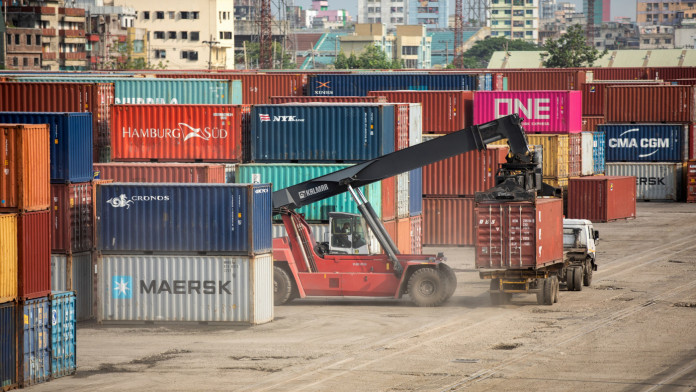
Karachi Gateway Terminal Limited said Gulf service operators have temporarily stopped accepting bookings from Pakistan and placed services on hold. The terminal has suspended acceptance of new export cargo for Gulf destinations until further notice, directly affecting outbound shipments.
Hapag-Lloyd has implemented a booking stop for cargo moving to the Upper Gulf region, including the United Arab Emirates, Iraq, Kuwait, Qatar and Saudi Arabia’s Eastern Province. The company has also introduced contingency surcharges of $1,500 per TEU for standard containers and $3,500 for reefer and special containers on certain routes.
Maersk announced it would pause future Trans-Suez sailings through the Bab el-Mandeb Strait and reroute key services around the Cape of Good Hope. Mediterranean Shipping Company has suspended worldwide bookings for cargo destined for the Middle East, while DP World temporarily paused operations at Jebel Ali Port as a precautionary measure. COSCO Shipping Lines has directed vessels in or heading toward the Gulf to move to safe waters or await further instructions.
The Federation of Pakistan Chambers of Commerce and Industry has called for emergency steps to shield trade and industry from the fallout. It warned that Pakistan’s exports to the European Union, United Kingdom and United States could face delays of 15 to 20 days if vessels are rerouted.
Pakistan imports more than $5.7 billion worth of crude petroleum annually, primarily from Saudi Arabia and the United Arab Emirates, and total petroleum imports reached $10.71 billion in FY25. Higher freight rates and war-risk insurance premiums may increase the cost of imported raw materials and reduce the price competitiveness of Pakistan’s textile and manufacturing exports.
Business representatives said freight rates on major routes could rise sharply, while marine insurance costs have already increased due to war-risk classifications. They warned that continued disruption in Gulf shipping lanes could place additional pressure on Pakistan’s trade balance and energy supply chain.