The escalating conflict in the Middle East is beginning to disrupt one of the global tea trade’s most critical corridors, with the exporters in Sri Lanka, India and Kenya warning of mounting logistical and financial pressures as the shipping routes through the region become increasingly risky.
The Sri Lanka’s Tea Exporters Association (TEA) yesterday raised alarm that the country’s tea industry could lose between US $ 10 million and US $ 15 million a week as the exporters struggle to move the shipments to the region, which accounts for more than half of Sri Lanka’s tea exports.
“The exporters have orders in hand for supply of tea and it is the logistical issues and war risk preventing them fulfilling such orders,” the TEA said.
The disruption stems largely from the shipping constraints rather than weak demand. Most major shipping lines suspended services to the region following the outbreak of the conflict, while the insurance coverage previously obtained by the exporters is no longer valid under the current war-risk conditions.
The supply routes to the Middle East typically pass through strategic maritime channels such as the Strait of Hormuz and Suez Canal. Although neither route has been formally blocked, many shipping operators are avoiding them due to the heightened risk.
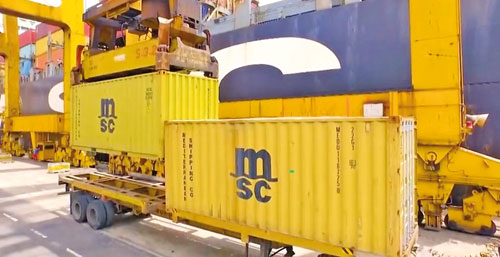
Even where limited services resumed from March 4, the costs have surged sharply. The freight charges have risen by around US $ 1,800 for a 20-foot container and about US $ 3,000 for a 40-foot container, significantly increasing the cost of shipments.
The Middle East remains the single largest market for Ceylon Tea, accounting for about 52 percent of Sri Lanka’s exports. In 2025, the country shipped roughly 125 million kilogrammes of tea to the region, generating about US $ 750 million in export earnings. Major destinations include Iraq, Iran, Libya, Turkey, Saudi Arabia, Syria and the United Arab Emirates.
The disruption is already affecting Sri Lanka’s domestic tea market. The exporters facing delayed payments and uncertain shipping schedules have reduced purchases at weekly tea auctions.
“The tea exporters are experiencing serious cash flow constraints, as the payments for the shipments already dispatched have been delayed, due to the unsettled situation in the region,” the association said.
As a result, the overall auction prices fell by around Rs.50 per kilogramme this week, while the low-grown tea prices, which are heavily dependent on the Middle Eastern demand, dropped by about Rs.75 per kilogramme.
“If the situation continues for few more weeks, it will have a serious impact on the tea auction as the buyers may curtail the purchase of tea if the outward movements are restricted,” the association warned, adding that such a development would directly affect the incomes of the smallholder farmers, who dominate the low-grown tea production.
Sri Lanka entered 2026 with a relatively strong export performance, earning US $ 121.8 million from the tea exports in January, compared with US $ 112.7 million in the same month a year earlier. However, the exporters say the disruptions in March could weigh on both export volumes and earnings if the shipments remain constrained.
The geopolitical tension is also complicating Sri Lanka’s long-running tea-for-oil barter arrangement with Iran. The country has already settled about 95 percent of its outstanding oil debt through tea supplies under the mechanism but the exporters warn that continuing shipments may be difficult even if the conflict subsides, given the existing US sanctions that restrict the normal trade channels.
Industry representatives have urged the government to help ease cash flow pressures and consider absorbing part of the additional freight and insurance costs, while also seeking intervention to recover around US $ 50 million in payments due for the tea shipments already made to Iran, under the barter arrangement.
The risks extend beyond Sri Lanka. The Tea Association of India has warned that the rising tensions in West Asia could threaten the shipments routed through the Strait of Hormuz to key Gulf markets including Iraq, Iran, Kuwait, Saudi Arabia and the United Arab Emirates.
Kenya, the world’s largest tea exporter, has issued similar warnings. The East African Tea Traders Association said the conflict could cost the country between 20 percent and 25percent of its tea market in the Middle East if the crisis persists.