India explores limited trade pact with Mexico amid sharp tariff hike
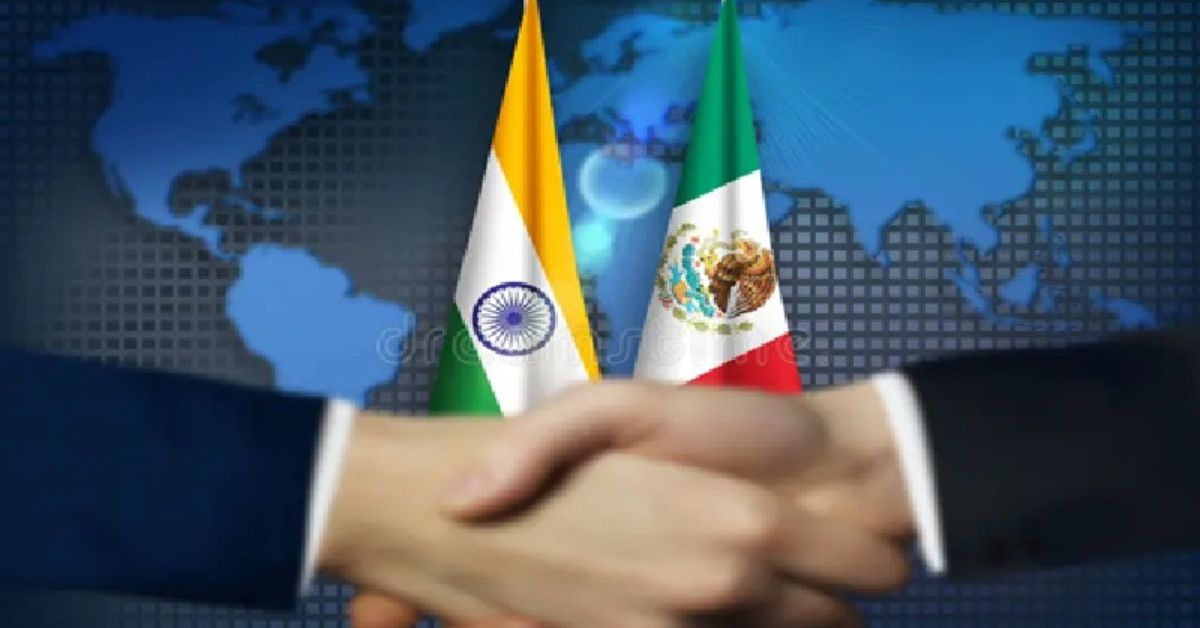
India has proposed negotiating a preferential trade agreement (PTA) with Mexico in an effort to cushion the impact of sharply higher import duties that are set to affect a wide range of Indian exports, senior government officials have said.
Mexico has announced plans to raise import tariffs—ranging from 5% to as much as 50%—on more than 1,450 product categories sourced from countries with which it does not have a free trade agreement. The move affects several major exporters, including India, China, South Korea, Thailand and Indonesia, and will come into force from January 1, 2026.
Commerce Secretary Rajesh Agrawal said India has already begun discussions with Mexican authorities to address the issue. He noted that while negotiating a comprehensive free trade agreement would take considerable time, a PTA could offer a quicker and more practical solution.
Unlike a full FTA, which typically involves broad-based tariff elimination, a PTA focuses on reducing or removing duties on a limited set of goods. The Mexican tariff hike is compliant with World Trade Organisation rules, as the duties remain within Mexico’s bound rates, leaving affected trading partners with little scope for legal challenge.
Mexican authorities have justified the tariff increases as part of efforts to support domestic manufacturing and address trade imbalances, with the measures largely aimed at non-FTA partners and, in particular, at curbing imports from China. Indian officials stressed that India is not the primary target of the move, but acknowledged that the impact on Indian exporters could be significant.
Initial estimates suggest that nearly $2 billion worth of Indian exports to Mexico could be affected. Sectors expected to face the greatest pressure include automobiles and two-wheelers, auto components, textiles, iron and steel, plastics, leather and footwear.
Bilateral merchandise trade between India and Mexico stood at $8.74 billion in 2024. India exported goods worth $5.73 billion, imported $3.01 billion, and recorded a trade surplus of $2.72 billion.
Exporters’ bodies have expressed concern over the development. The Federation of Indian Export Organisations said the proposed duties could weaken India’s competitiveness in key sectors such as automobiles, machinery, electronics, chemicals, pharmaceuticals and textiles, and disrupt supply chains built over many years. Auto component makers have also warned of rising cost pressures once the higher tariffs take effect.
The Indian government said it is closely monitoring Mexico’s tariff changes, consulting industry stakeholders and pursuing constructive engagement with Mexican counterparts to protect exporters’ interests and maintain stable trade relations between the two countries.